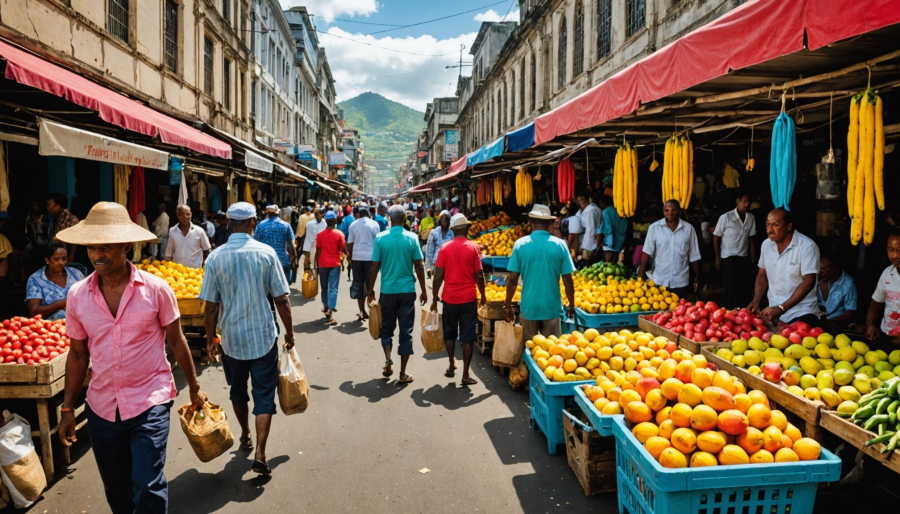
While global retail chains offer sterile aisles and predictable layouts, the Port Louis Central Market pulses with a rhythm all its own - chaotic, vibrant, and deeply human. Here, commerce isn’t just transactional; it’s ancestral. Generations of families have passed down spice blends, bargaining rhythms, and the art of reading a customer’s eyes before they even speak. This isn’t shopping. It’s immersion. The market doesn’t merely reflect Mauritian life - it sustains it, one haggled price, one shared laugh, one handwoven vacoas bag at a time.
The historical pulse of Port Louis and its central market
Built during the Victorian era, the Central Market stands on a trading site used since 1839, when the area was still known as the Bassin. Its iron-framed arcades, rusted in places but resilient, echo the colonial architecture of Port Louis while serving a thoroughly modern purpose: as the beating heart of local exchange. Stalls tucked beneath weathered canopies have changed hands within families for decades, preserving not just livelihoods but legacies. You’ll find vendors whose grandparents sold turmeric in the same spot, now handing down knowledge of seasonal yields and authentic blends to their children.
A landmark of Mauritian heritage
The market’s layout may seem disorganized to first-time visitors, but its structure follows an unwritten logic shaped by over a century of commerce. Originally established as a centralized hub for fresh produce, it gradually absorbed crafts, textiles, and street food, becoming a microcosm of the island’s multicultural fabric. The architecture itself - with its cast-iron columns and wide, open corridors - was designed for ventilation and flow, a practical response to the tropical climate. Today, it remains one of the few places where history isn’t preserved behind glass but lived daily, in the scent of clove-laced air and the call of vendors announcing their wares.
Meeting the local producers
What sets this market apart isn’t just the goods - it’s the people. Many stall owners have spent their entire lives within these alleys, often rising before dawn to prepare their displays. They don’t just sell; they teach. Ask about the difference between wild and cultivated vanilla, or why certain fruits are only available in short bursts, and you’ll likely get a lesson in terroir, monsoon cycles, and family tradition. This transmission of knowledge is cultural heritage in motion, not staged for tourists but unfolding naturally, one conversation at a time. For those seeking to retreat into comfort after a day of exploration, booking a room at a luxury hotel in Mauritius remains the best way to process these local impressions.
Essential items to find at the stalls
The Central Market isn’t just a place to shop - it’s a sensory archive of Mauritian daily life. Every corner offers something tactile, aromatic, or edible that tells a story of the island’s agricultural roots and artisanal traditions. From sunrise to early afternoon, the aisles brim with goods that reflect both necessity and craftsmanship.
The spice and herbalist section
This is where the air thickens with aroma. Rows of dried turmeric, cinnamon bark, fenugreek, and cardamom spill from burlap sacks. Herbalists mix custom infusions for digestion, immunity, or sleep, drawing on Ayurvedic and Creole remedies passed through generations. Avoid the pre-packaged tourist kits - the real value lies in loose, hand-measured blends sold by vendors who can explain their uses.
- Exotic fruits: Look for Victoria pineapples, longans, and caramboles - often sold freshly cut
- Handmade basketry: Vacoas palm is woven into bags, mats, and decorative items by local artisans
- Colorful textiles: Batik fabrics, embroidered shawls, and traditional séga costumes
- Alouda ingredients: The base syrup, basil seeds, and condensed milk for making the island’s beloved sweet drink
- Gateaux Piments: Freshly made chili fritters, often sold warm from roadside fryers
Comparing the market experience to modern malls
It’s easy to default to air-conditioned shopping centers - predictable, clean, and quiet. But the Central Market offers something no mall can replicate: authenticity. The noise, the heat, the press of bodies - these aren’t inconveniences. They’re part of the experience. Choosing the market over a mall isn’t about saving money; it’s about engaging with the island on its own terms.
Authenticity versus convenience
Modern malls cater to efficiency. The Central Market caters to connection. Here, every purchase supports a local vendor, not a multinational chain. The lack of fixed pricing invites interaction, turning shopping into a dialogue. You’re not just buying a souvenir - you’re participating in a culture where value is negotiated, not printed on a tag. That sensory immersion - the smell of grilled fish, the sound of Creole banter, the feel of handwoven fabric - is what travelers remember long after they’ve unpacked their bags.
Price ranges and bargaining culture
Bargaining is expected, especially for non-perishable goods like crafts or clothing. Vendors typically start 20-30% above what they’re willing to accept, so polite negotiation is part of the ritual. Fresh produce has less flexibility, but even there, buying in bulk can earn a discount. Small cash payments in rupees make transactions smoother - ATMs are scarce nearby.
| Category | Central Market | Modern Malls |
|---|---|---|
| Atmosphere | Lively, crowded, sensory-rich | Controlled, quiet, climate-regulated |
| Price Flexibility | Negotiable, especially for crafts | Fixed, no bargaining |
| Cultural Immersion | High - direct interaction with locals | Low - standardized retail experience |
| Product Uniqueness | Handmade, seasonal, locally sourced | Mass-produced, imported |
Navigating the flavors of Mauritian street food
The market’s food section is where culture becomes cuisine. By mid-morning, the air fills with the sizzle of flatbreads on hot plates and the tang of tamarind chutney. This is where locals come to eat, not perform - no stage, no pricing for tourists, just honest, flavorful food made the same way for decades.
The must-try local delicacies
Dholl Puri is the undisputed king of Mauritian street food - a thin, yellow lentil-stuffed flatbread, pressed on a griddle, then folded with shredded vegetables, chutneys, and sometimes a fried egg. Vendors assemble them in seconds, their hands moving with practiced speed. Nearby, you’ll find stalls frying Gateaux Piments - crisp, spicy lentil fritters that pack a punch. These aren’t side dishes; they’re full meals, eaten standing up, often with a cold bottle of local Phoenix beer.
Hygiene and best times to visit
For the freshest experience, arrive between 8 and 10 a.m. That’s when produce is at its peak and street food is freshly prepared. Avoid midday, when the heat intensifies and some vendors pack up. While hygiene standards vary, the busiest stalls are usually the safest bet - high turnover means fresher ingredients. Bring small bills; many vendors can’t make change for large notes. And don’t rush. The market rewards slowness. Let yourself get lost in the alleys. That’s where the real discoveries happen.
Questions and answers
I visited last week and noticed many stalls were closed on Sunday afternoon, is this normal?
Yes, it’s common for many stalls to close by early afternoon on Sundays. The market operates on a traditional rhythm, and Sunday is often a half-day for vendors who observe religious practices or family time. Most activity wraps up by 2 p.m., so plan morning visits for the full experience.
Is it safe for solo travelers to explore the deeper sections of the bazaar?
Generally, yes - the market is safe for solo travelers. As in any crowded place, stay aware of your surroundings and keep valuables secure. The deeper alleys can feel overwhelming, but they’re filled with locals going about their day. A smile and polite demeanor go a long way in making positive connections.
Are there new digital payment options available at the stalls recently?
While cash remains dominant, some younger vendors now accept mobile payment apps like MyT Money or e-wallet transfers. However, this is still the exception rather than the rule. It’s best to carry sufficient Mauritian rupees in small denominations to ensure smooth transactions across all stalls.
